Try the work, meet the people, and let real experience guide your next step.
Narrow Choices Before Acting
Before you make a big decision, try the work in real places. Visiting workplaces, shadowing professionals, asking questions, or getting hands-on experience helps you see what feels right (and, better yet!) what doesn’t.
Options Become More Obvious
The more you see and do, the easier it becomes to recognize which paths feel right and which ones you can set aside. Narrowing choices allows you to feel more comfortable with your future training path and/or employment decisions.

First, learn the lingo.
As you narrow your choices, you’ll see new words. Learning these words first makes the next steps of career exploration easier.
-
![Checkered Flag]()
Capstone
End-of-program project addressing real-world scenario.
-
![Arrows Circling]()
Co-Op
Alternate coursework with meaningful on-the-job training.
-
![Lighbulb to gear to graduation cap]()
Internship
Short-term work experience to learn skills by doing real tasks.
-
![Handshake]()
Interview
Discussion to evaluate fit for a position.
-
![Shoe Print]()
Job Shadow
Short, structured visit to observe a job and its daily tasks.
-
![Eye with person in reflection]()
Observation
Observing work without participating directly.
-
![Graduate with gear]()
Pre-Apprenticeship
Program building basic skills needed to enter apprenticeships.
-
![Paper and pencil]()
Project-Based Learning
Learning through meaningful, hands-on projects.
-
![Paper]()
Resume
Document summarizing skills, experience, and education.
-
![Lightbulb surrounded by icons of money, quotes, and bar chart]()
Work-Based Learning
Coordinated sequence of experiences for high schoolers.






Your Choices Dashboard
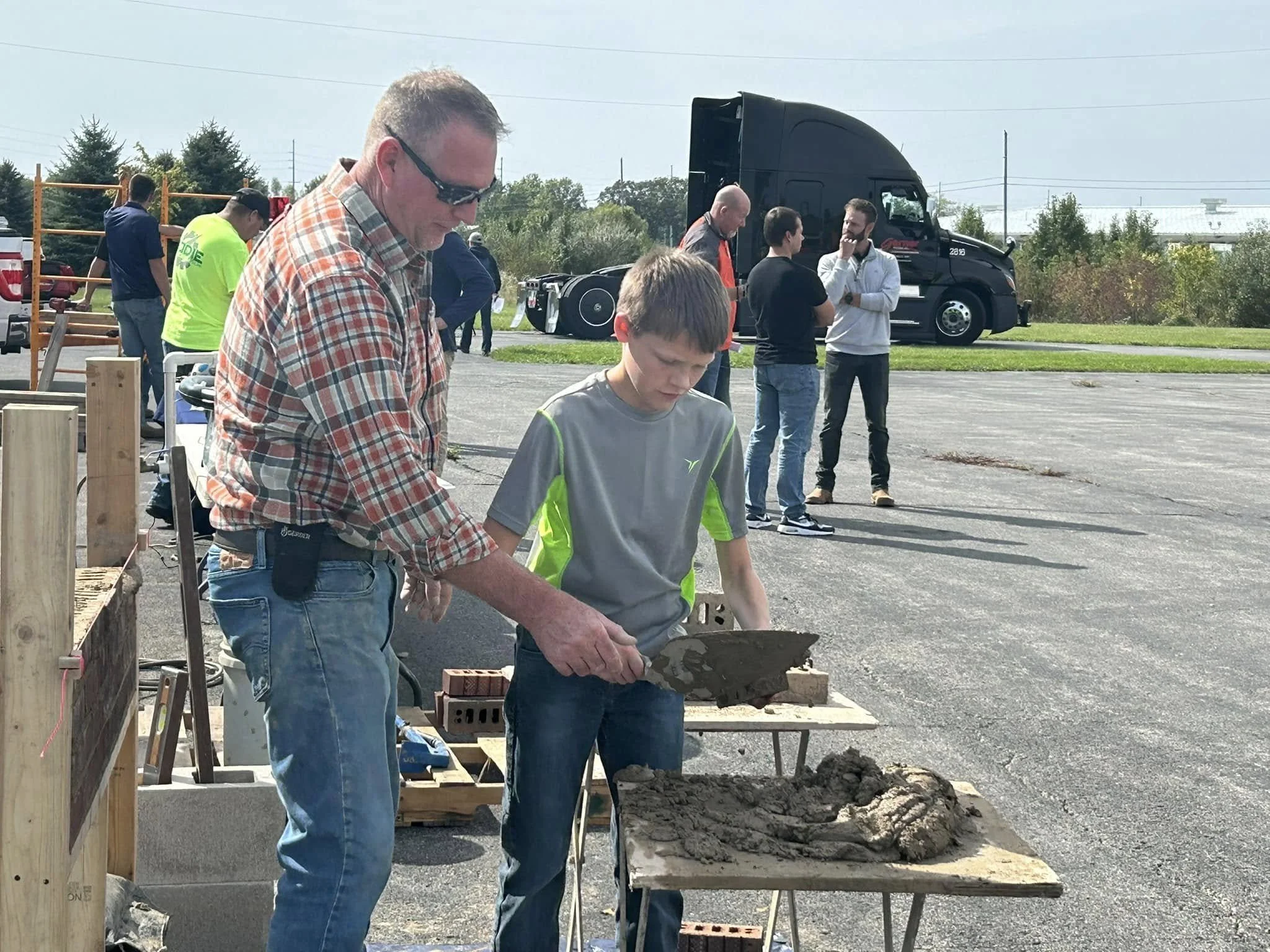
Step In and Look Around
Ease into exploration without pressure or commitment. These initial interactions give you a low-stakes way to see what different workplaces are really like.
Interviews
Job Shadowing
Observations
Try It On For Size
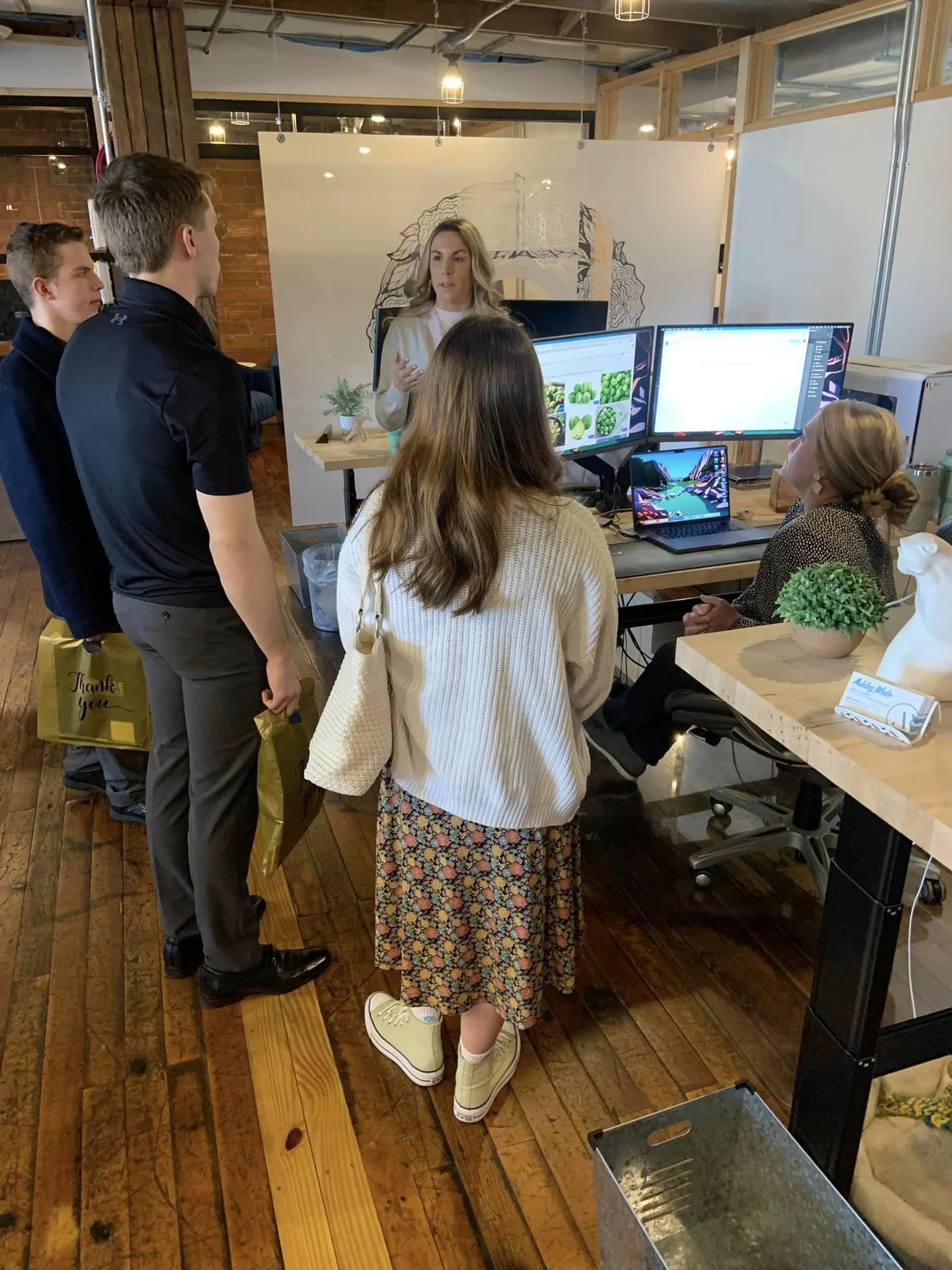
Move from watching to doing. These experiences offer you actual tasks, with real expectations, and the chance to be among the rhythm of a workplace. You start building skills and contributing to meaningful projects.
Work-Based Learning
Project-Based Learning
Short-Term Internships
Jump In and Build Skills
Where exploration becomes true participation. Get directly in the flow of real work and work side-by-side with experienced workers. Gain an understanding of the full scope of the field.
Co-Ops
Pre-Apprenticeships
Extended Internships
STEP IN AND LOOK AROUND
Ease into exploration without pressure or commitment. These initial interactions give you a low-stakes way to see what different workplaces are really like.
Explore these low-pressure options.
-
A conversation with a professional where your goal is to learn—not to get hired. You ask questions about their career, daily work, and how they got started. Informational interviews help you explore options, build confidence speaking with professionals, and gain insight that you can’t find online. It’s one of the simplest ways to turn curiosity into clarity.
-
A short day-long experience where you spend time alongside a professional to see what their workday is actually like. You’re not expected to perform the job—you observe, ask questions, and take in how the work happens in real time. Job shadowing helps you understand what a role truly involves.
-
Anexperience where you watch a professional interact, lead, and manage real situations. Unlike general job shadowing, observation is more focused. You pay attention to how decisions are made, how people are supported, and how the environment is managed.
Observations are especially valuable in fields like education, where understanding group dynamics, communication, and day-to-day responsibilities matters just as much as the content being taught. It’s a way to see the full picture of the role before stepping into it yourself.
What’s The Importance?
It’s Non-Committal.
Reduce the fear of making a big, irreversible choice or performing perfectly in a job you’ve never tried.
It’s an On-Ramp.
Getting on the highway of work can feel scary. These long on-ramps can give you time to build courage and confidence.
TRY IT ON FOR SIZE
Move from watching to doing. These experiences offer you actual tasks, with real expectations, and the chance to be among the rhythm of a workplace. You start building skills and contributing to meaningful projects.
Explore your choices to get going.
-
An experience where you learn by doing real work. This can include internships, school-based businesses, or school-supported work experiences—all designed to help you apply what you’re learning in a real workplace.
-
An approach to learning where you work on real challenges that connect to what actually happens in businesses and organizations. These projects are often shaped by business needs or scenarios, giving you a chance to think through problems the way employers do.
Project-based learning helps you build the same skills employers look for—problem solving, communication, teamwork, and the ability to turn ideas into results. It also gives you early exposure to professionals who may someday serve as good mentors.
-
A brief, hands-on experience where you work with an employer for a limited time—often a few days or weeks—to contribute to real tasks and see how work gets done. These internships are designed to give you a meaningful introduction to a career without a long-term commitment.
“What we have to learn to do, we learn by doing.”
— Aristotle
JUMP IN AND BUILD SKILLS
Where exploration becomes true participation. Get directly in the flow of real work and work side-by-side with experienced workers. Gain an understanding of the full scope of the field.
Prepare to jump in.
-
A structured program that prepares you to enter a formal apprenticeship after graduating high school. You gain a mix of classroom learning, hands-on experience, and job-readiness training in a specific career field.
Pre-apprenticeships are connected directly to employers.
-
A college experience where you alternate between school and full-time work in your field—spending a semester in the classroom, then a semester working, and repeating that cycle.
Co-ops allow you to apply what you’ve learned, return to school with real experience, and then go back to work with stronger skills. Over time, you take on more responsibility, build deeper relationships with employers, and gain a clear understanding of how your education connects to a career.
-
Work with an employer over multiple months—or across semesters—while continuing your education. Instead of a short, one-time experience, extended internships allow you to stay involved, take on more responsibility, and grow within the role over time.
As you continue, you often move beyond basic tasks into more meaningful projects, gaining a deeper understanding of the organization and your field. Extended internships often position you for a full-time opportunity after graduation.
Hancock County
offers experiences
-
![GROB worker assembling machinery.]()
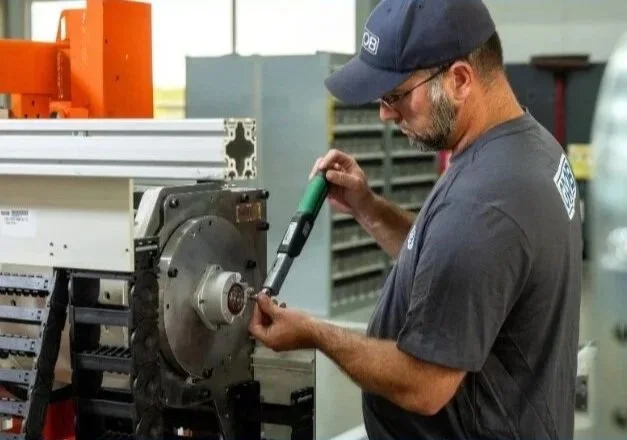
Advanced Manufacturing
GROB Systems in Bluffton, offers monthly apprenticeship tours that allow community members to learn more about the apprenticeship and tour the facility.
-
![University of Findlay Western Farm Sky View]()
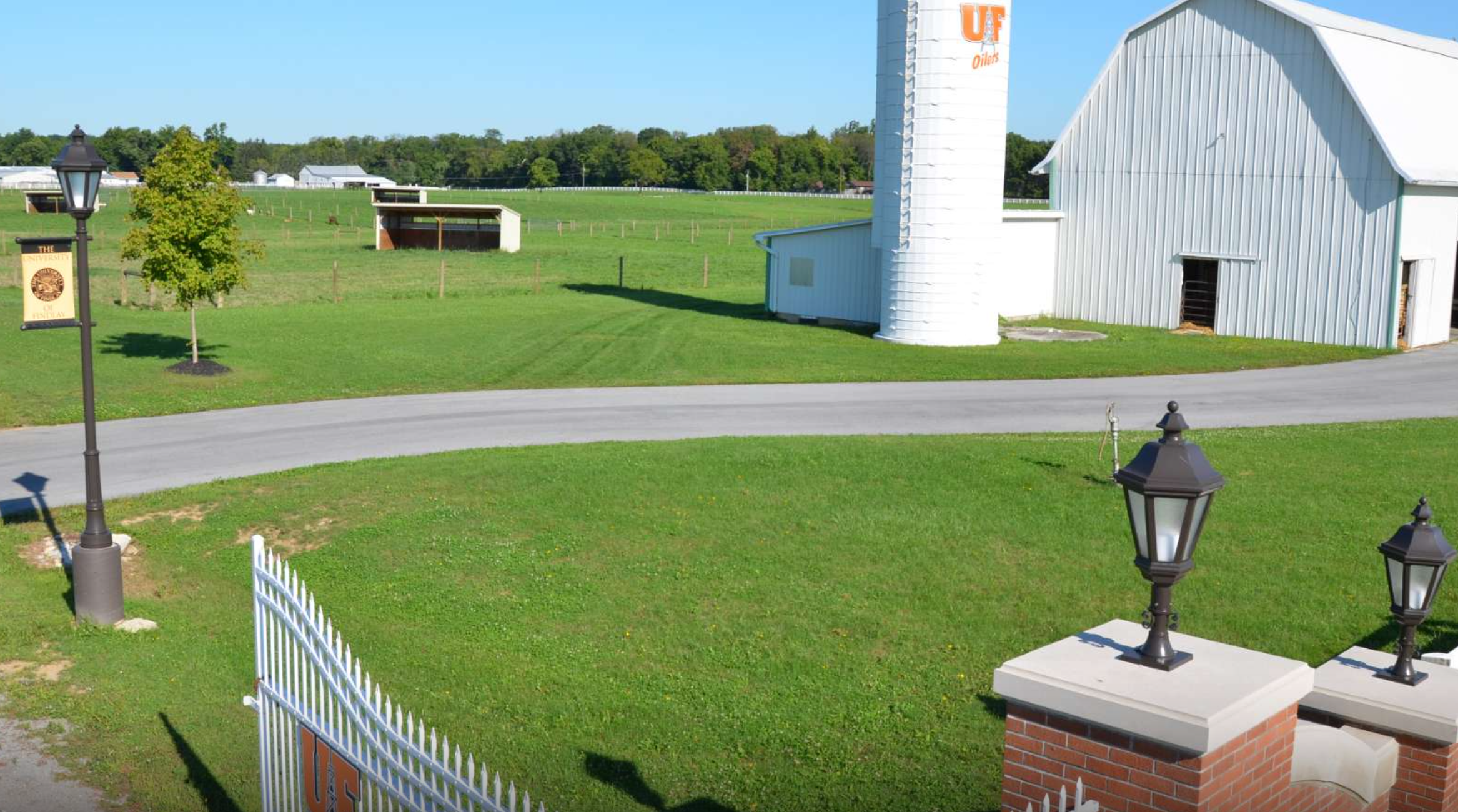
Agriculture
The University of Findlay offers two nationally recognized programs supporting agriculture: animal sciences and equestrian. Between two farms in Hancock County, individuals gain exposure to hundreds of large animals such as cattle, goats, pigs, and horses.
-
![Silhouette of backstage workers on video production stage.]()
Arts, Entertainment, & Design
The Marathon Center for the Performing Arts offers a variety of experiences in the performing and fine arts. Individuals can also tour the facility to learn about sound and lighting technicians, box office responsibilities, and backstage roles.
-
![Beltz Home Service Van]()
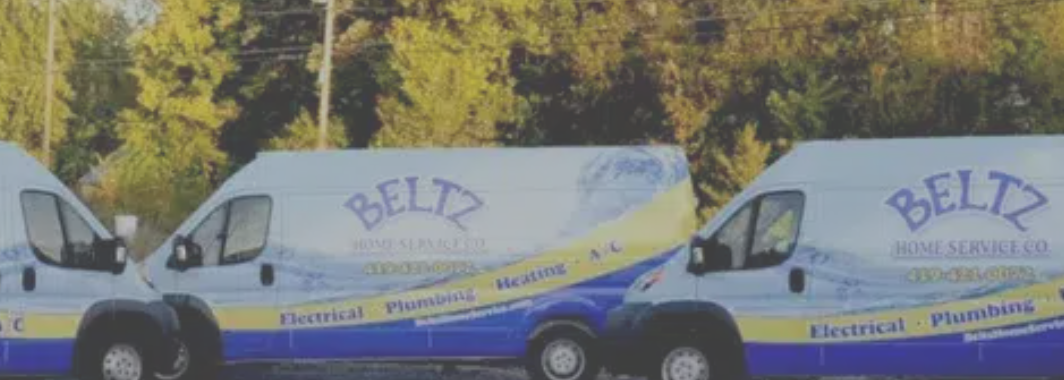
Construction
Beltz Home Services proudly offers a local business connection to Explore the Trades, a national program connecting students to the plumbing, heating, cooling and electrical trades.
-
![Exploring Hero Image]()
Digital Technology
The IT Explorers post, operated by Marathon Petroleum Corporation, allows high school students to participate in sessions, projects, and events to explore coding, cybersecurity, data, and emerging technologies—often alongside college students and industry mentors.
-
![YMCA mentoring]()
Education
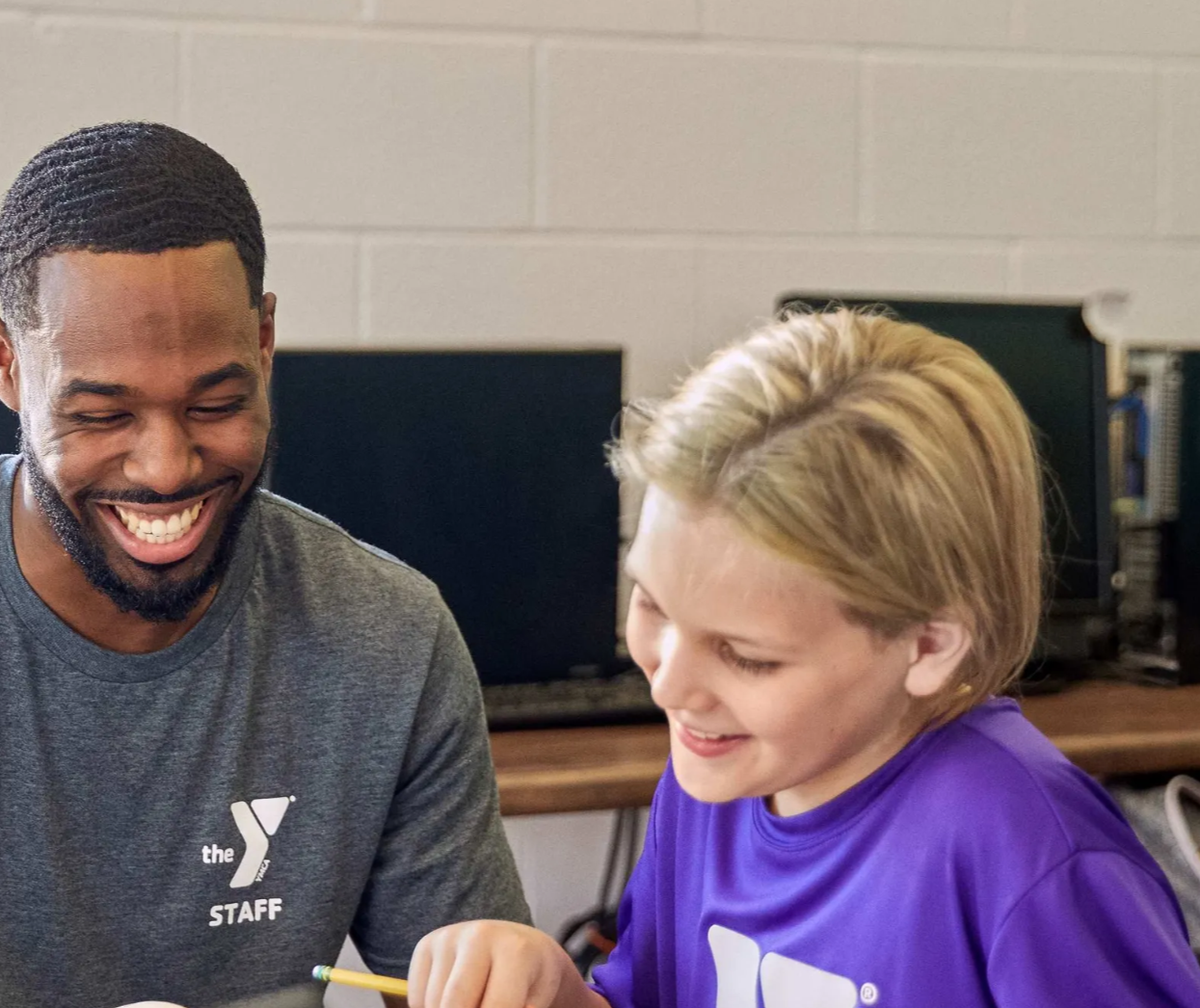
The Findlay YMCA offers volunteer and paid positions to teenagers, college students, and adult career seekers in their early learning center, summer camps, sports programs, and fitness programs.
-
![Water surrounded by deciduous trees.]()
Energy & Natural Resources
The Hancock Parks District offers school programs and volunteer experiences to develop park lands, provide ongoing improvements, outdoor recreation opportunities and environmental/historical education, and protect our natural resources.
-
![Students at board table at Hixon Zuercher Capital Management.]()
Financial Services
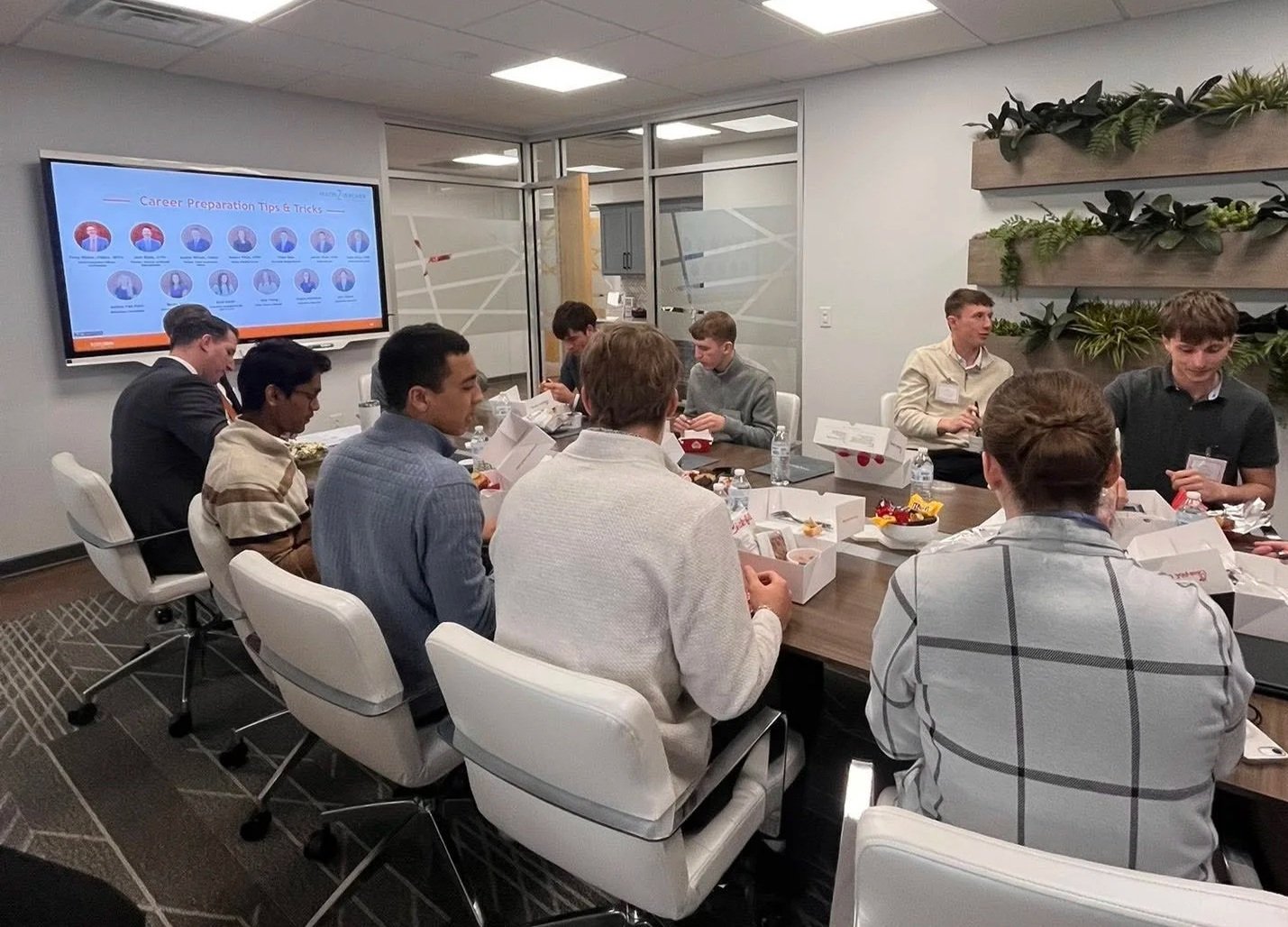
Each year, Hixon Zuercher Capital Management offers a career day to high school students. The company presents and students complete hands-on exercises in wealth management, asset management, marketing, client service, and the CFP® career path.
-
![Male physician with male patient]()
Healthcare & Human Services
Blanchard Valley Health System offers job shadowing and volunteer opportunities to help teenagers and young adults consider the career path best for them.
-
![Visit Findlay Hero Image]()
Hospitality, Events, & Tourism
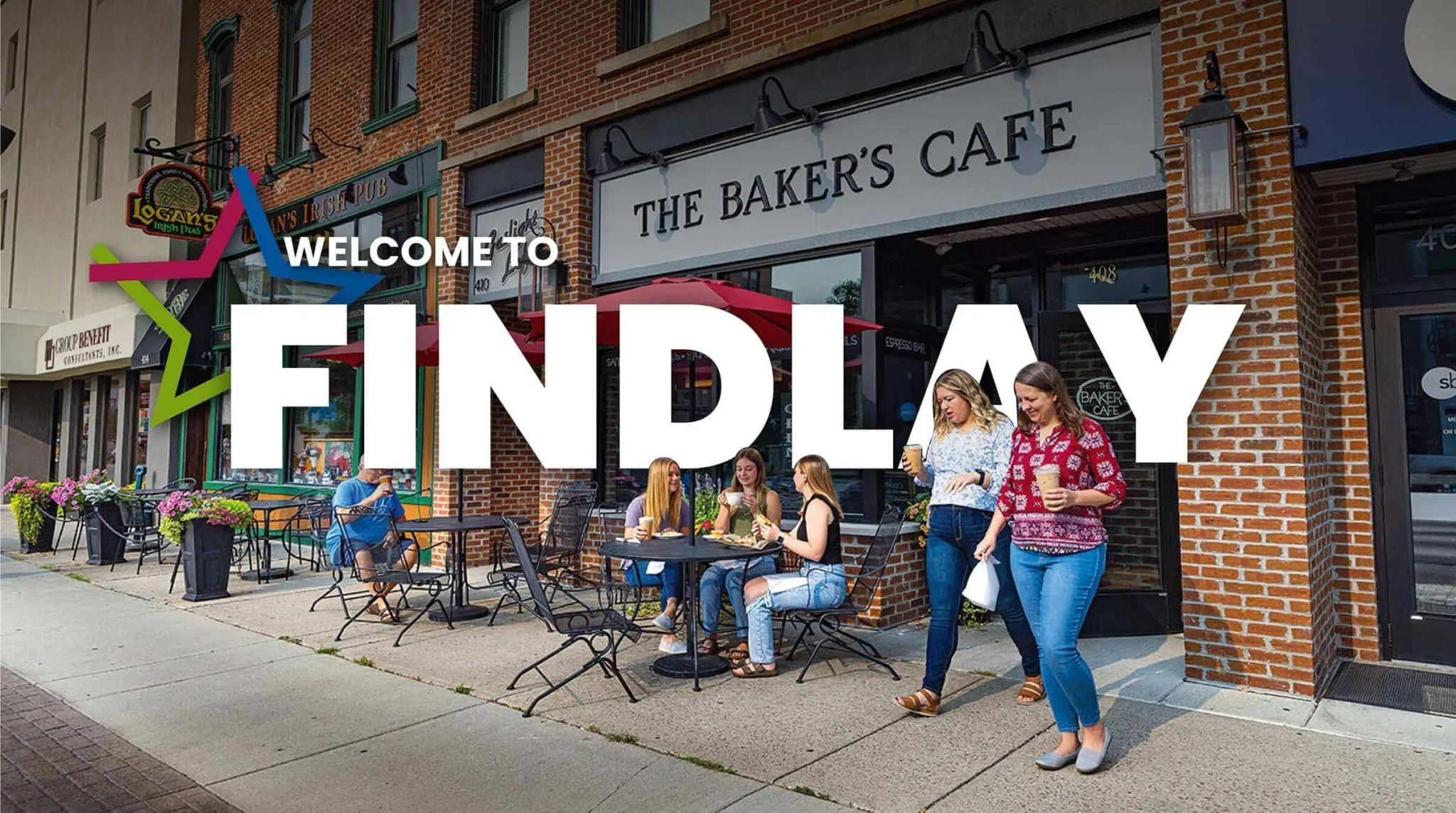
The Visit Findlay team, part of the Alliance and the Findlay-Hancock County Conventions and Visitors Bureau, keeps the community updated on events, downtown businesses, and hospitality.
-
![University of Findlay BRITE Center competition]()
Management & Entrepreneurship
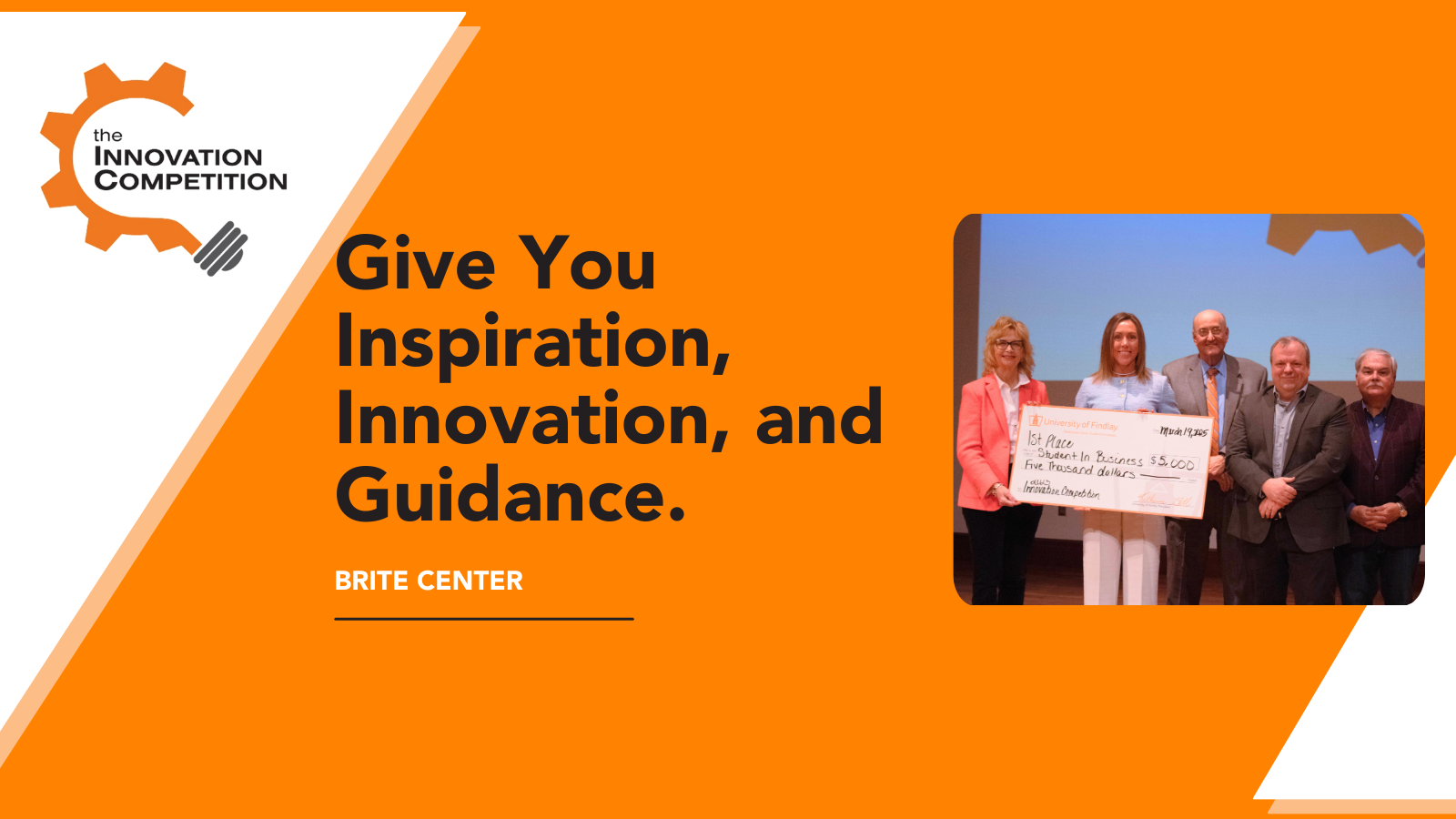
The University of Findlay College of Business runs an annual Innovation Competition. High school and college students are eligible to participate in this multi-month learning and business development experience.
-
![AR Marketing hosting students for Career Expo.]()
Marketing & Sales
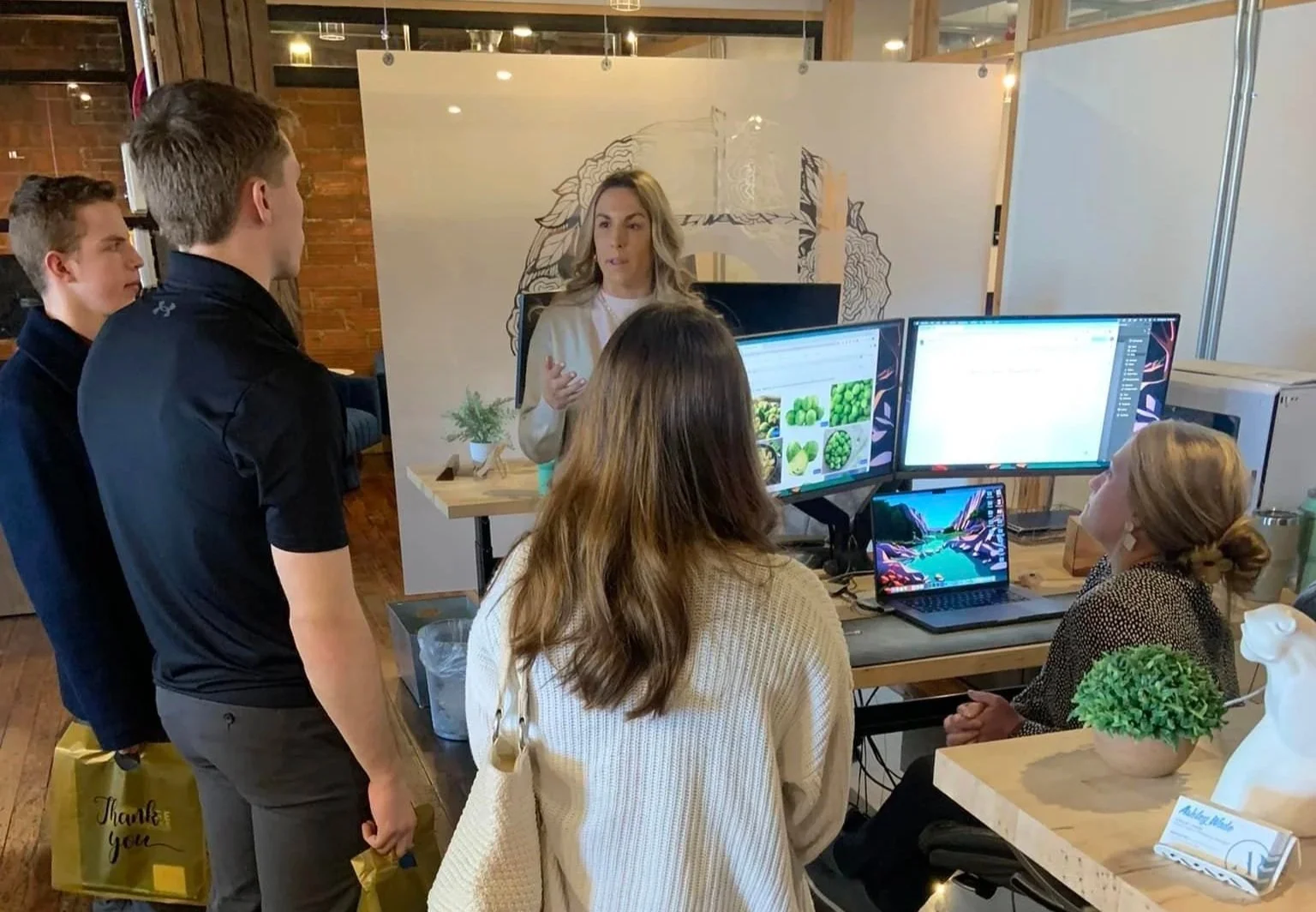
AR Marketing is one of the community’s premier internship hosts. Interns help plan and brainstorm client strategies, learn how to use marketing tools (Meta, Google Ads Manager, Placer.ai, etc.), create content for clients, pitch ideas, and more.
-
![City of Findlay Strict Center demonstrating police pullovers with students.]()
Public Service & Safety
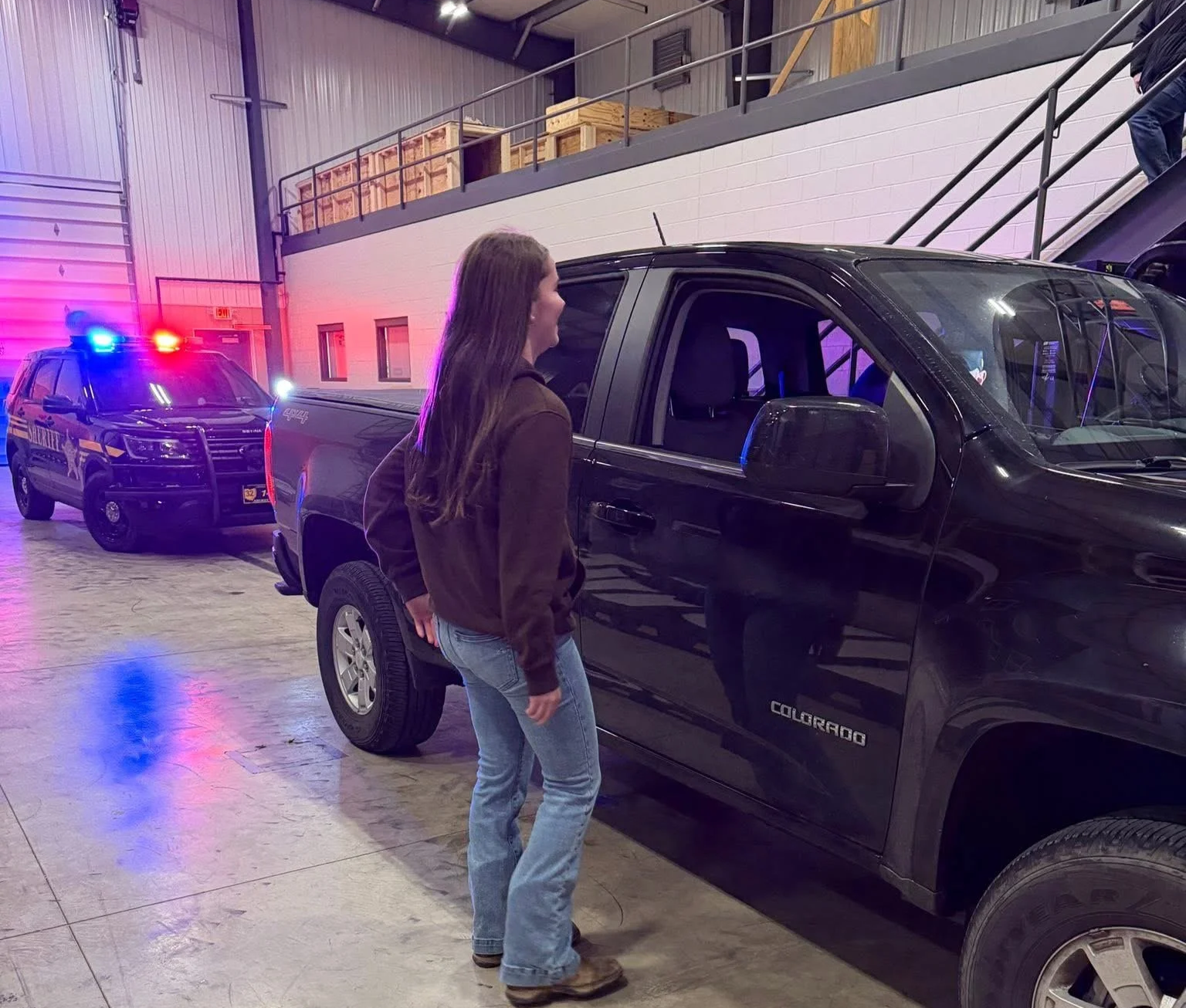
The Hancock County Sheriff’s Office operates an Explorers Post for high school students to learn public safety careers. Students work through hands-on trainings (e.g., building searches, field sobriety tests, traffic stop scenarios) to build confidence in their skills.
-
![Reineke Ford employee discussing technology use on vehicles.]()
Supply Chain & Transportation
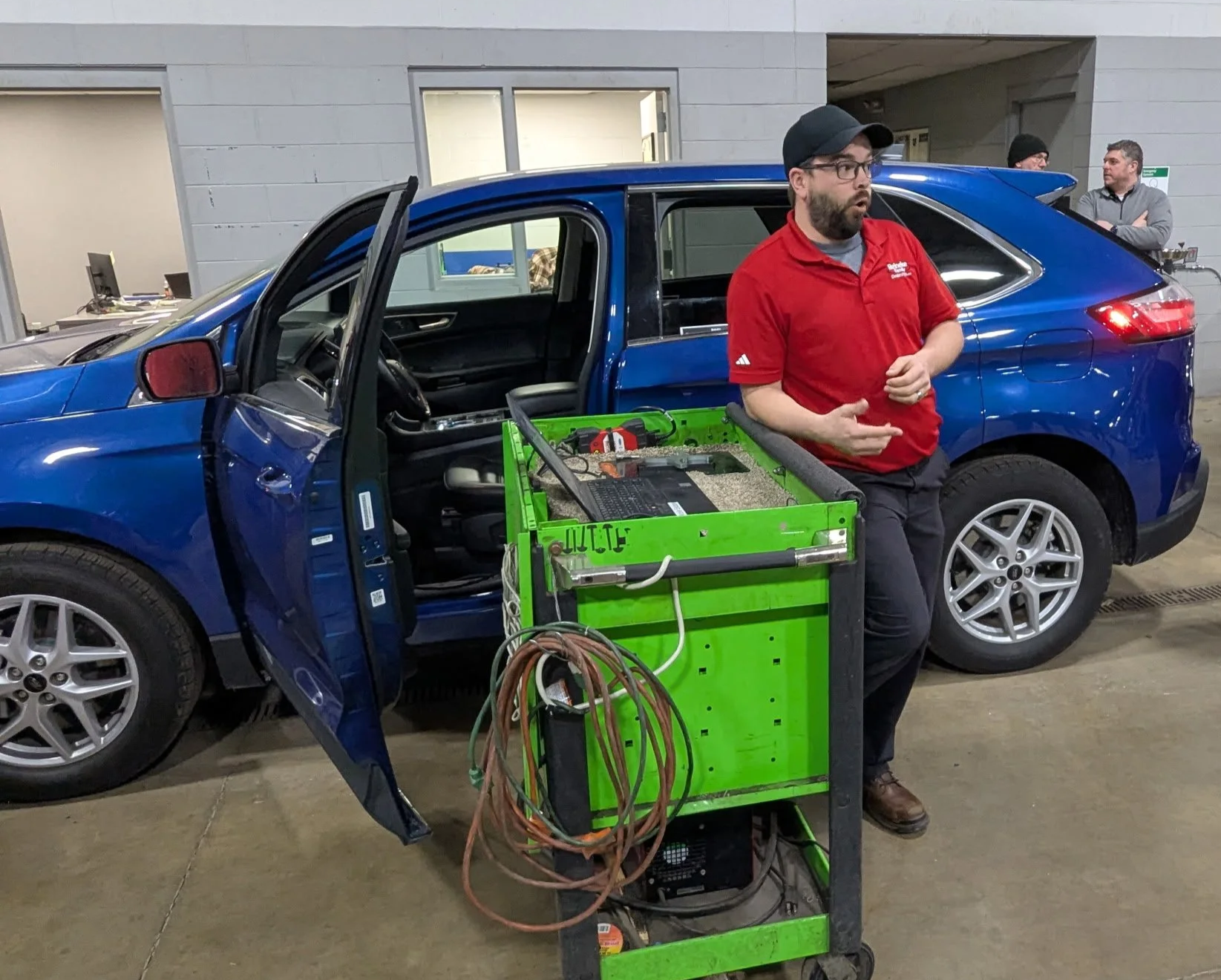
Reineke Family Dealerships operates an award-winning 10-week work-based learning experience that consists of rotating through various positions within the department of interest.




What’s Next.